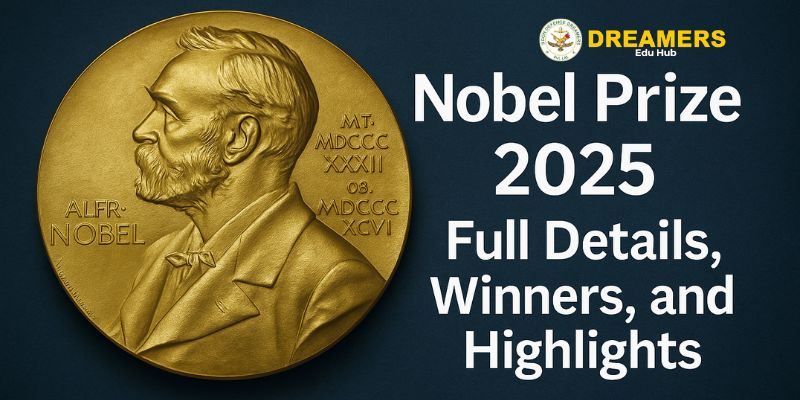
Every year in early October, the world waits eagerly for the announcement of the Nobel Prizes — honoring humanity’s greatest minds in science, literature, and peace.
In 2025, these awards once again highlighted groundbreaking research and revolutionary ideas that are shaping our future.
Here’s a complete look at all the Nobel Prize 2025 announced so far — from Medicine to Physics to Chemistry — along with the fascinating stories behind the winners.
October 6, 2025 – Nobel Prize 2025 in Physiology or Medicine
Laureates & What They Discovered
-
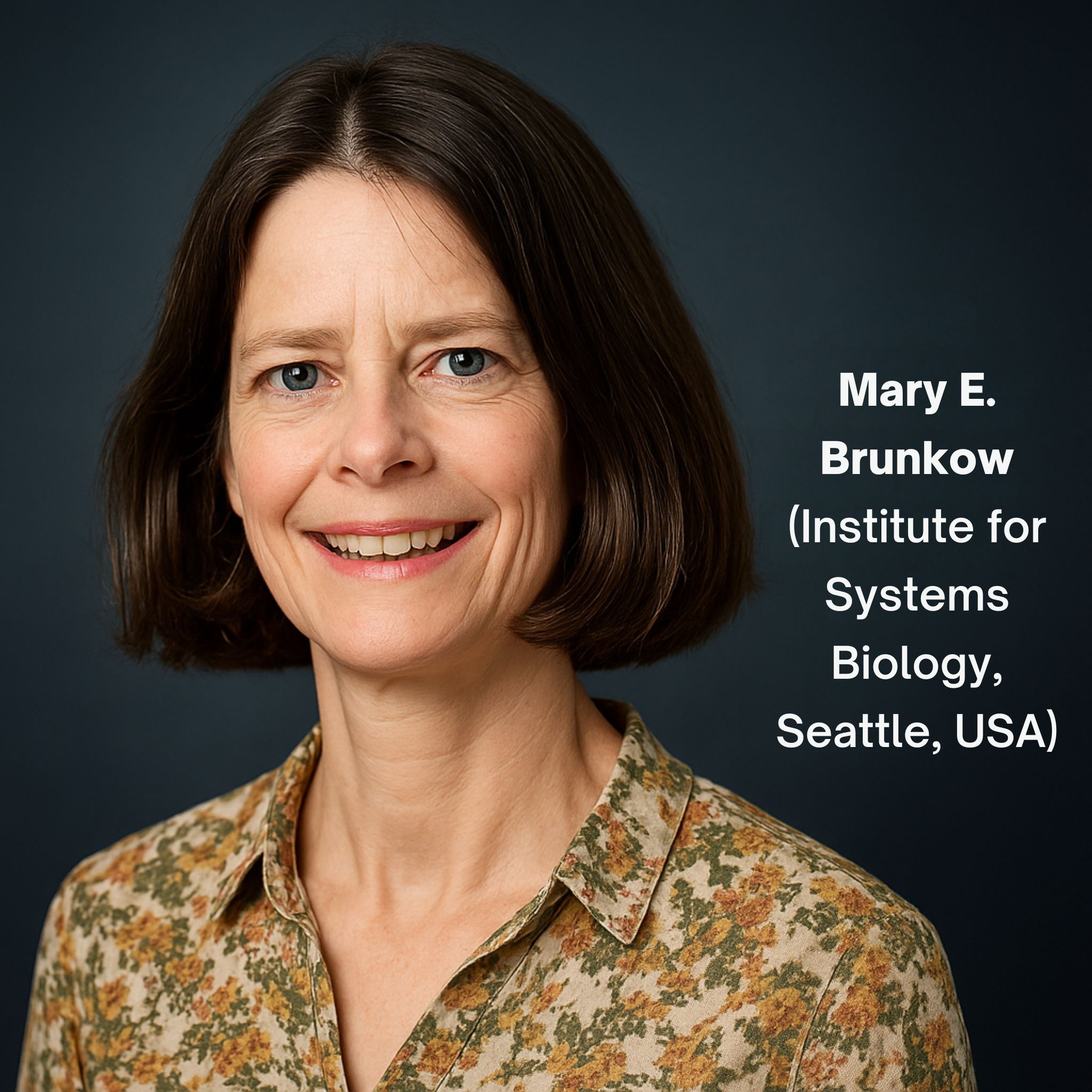
Mary E. Brunkow (Institute for Systems Biology, Seattle, USA)
She, along with her co-laureates, helped discover how regulatory T cells (Tregs) maintain immune balance — preventing the immune system from attacking our own healthy tissues
-
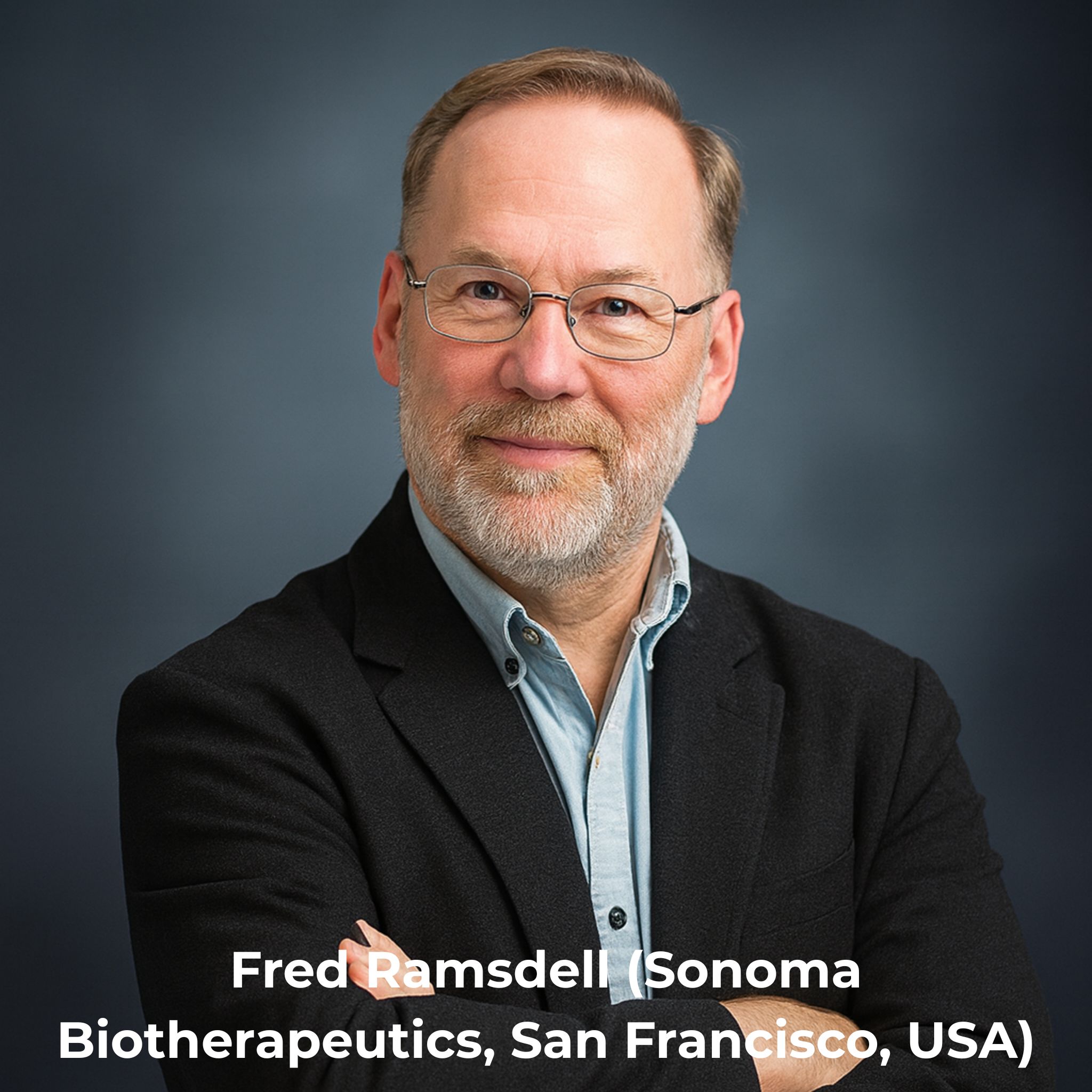
Fred Ramsdell (Sonoma Biotherapeutics, San Francisco, USA)
He contributed to the identification of a gene called FOXP3 involved in Treg development. Mutations in this gene can cause severe autoimmune disorders.
-
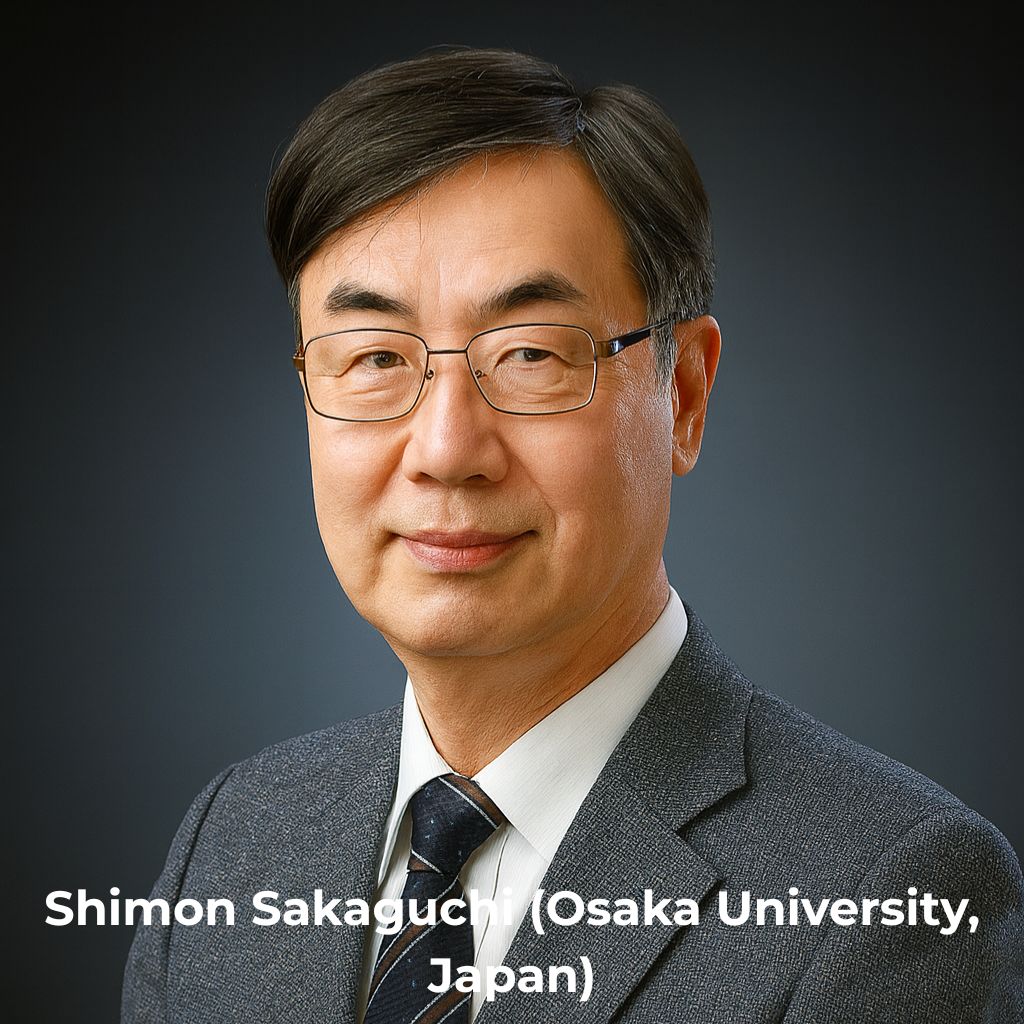
Shimon Sakaguchi (Osaka University, Japan)
He was pioneering in discovering that immune tolerance is not only centrally controlled (in the thymus) but also peripherally regulated, introducing the idea of “immune tolerance in the body’s tissues.”
Prize Motivation (Citation)
They won the prize “for their discoveries concerning peripheral immune tolerance” — i.e. how the immune system is regulated so it does not harm the body’s own tissues.
Why It Matters
-
Their work helps explain why autoimmune diseases (when body attacks itself) occur.
-
It opens pathways to therapies — possibly new treatments in cancer, autoimmunity, better organ transplants.
-
The concept of peripheral tolerance expands our understanding of immune regulation beyond just the central “education” in the thymus.
7 October 2025 — Nobel Prize 2025 in Physics
Laureates & What They Discovered
-
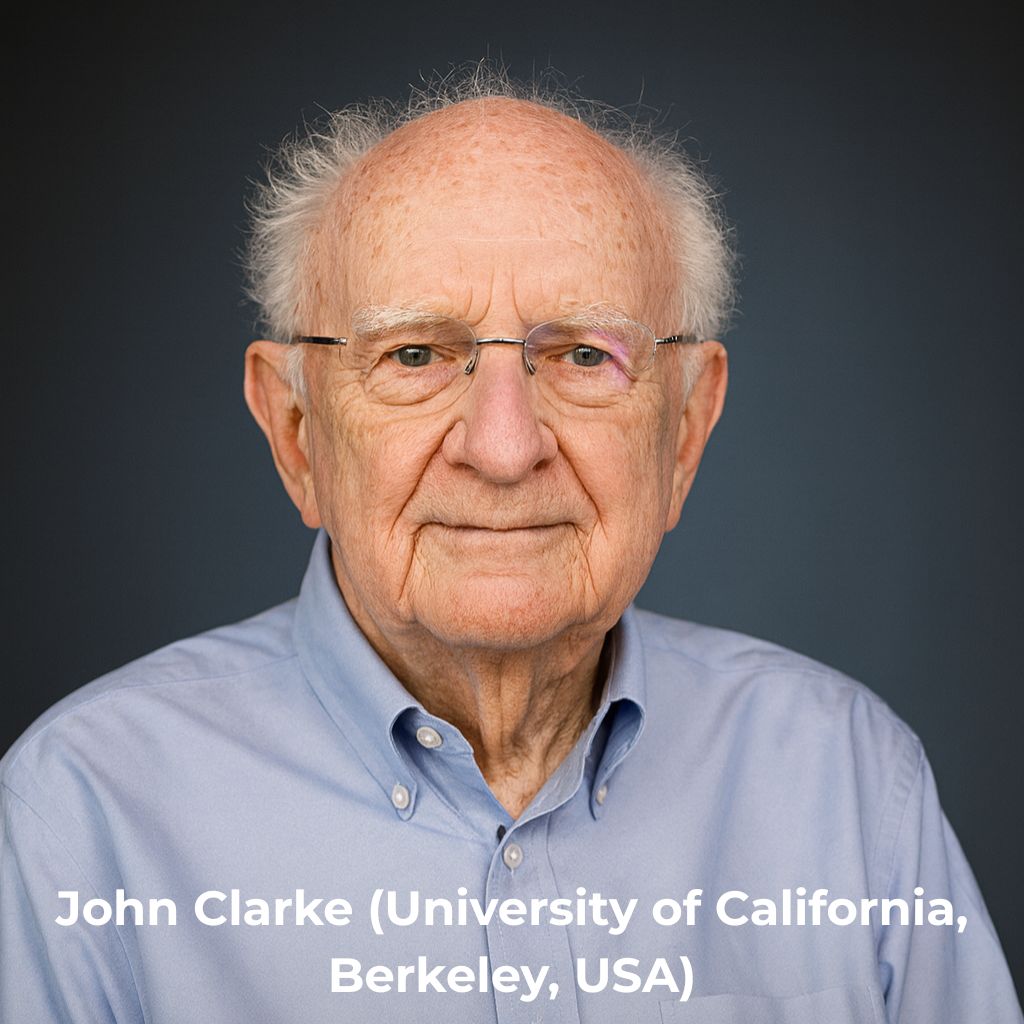
John Clarke (University of California, Berkeley, USA)
His work involved experiments showing quantum mechanical tunnelling and energy quantisation in electrical circuits at macroscopic scales.
-
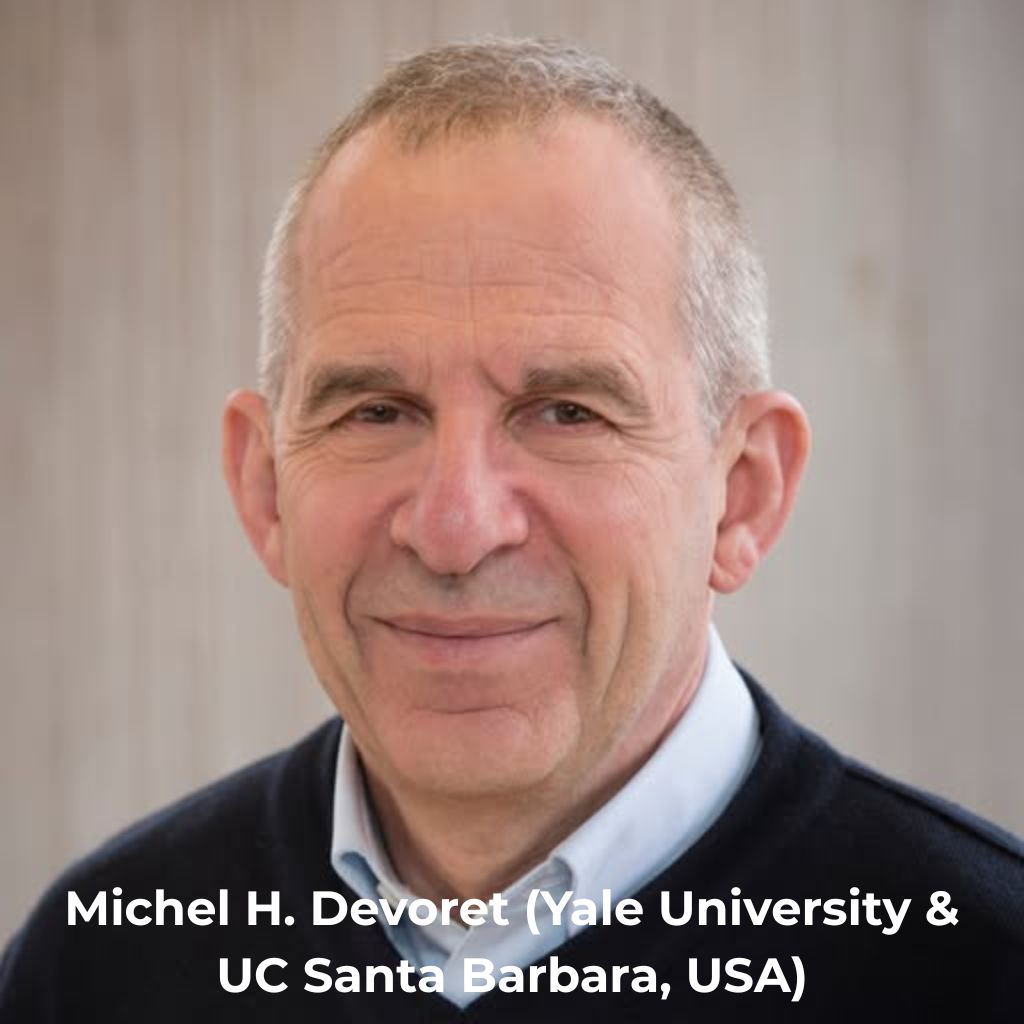
Michel H. Devoret (Yale University & UC Santa Barbara, USA)
He co-developed circuits that display quantum effects at a scale you can hold — bridging microscopic quantum phenomena to larger systems.
-
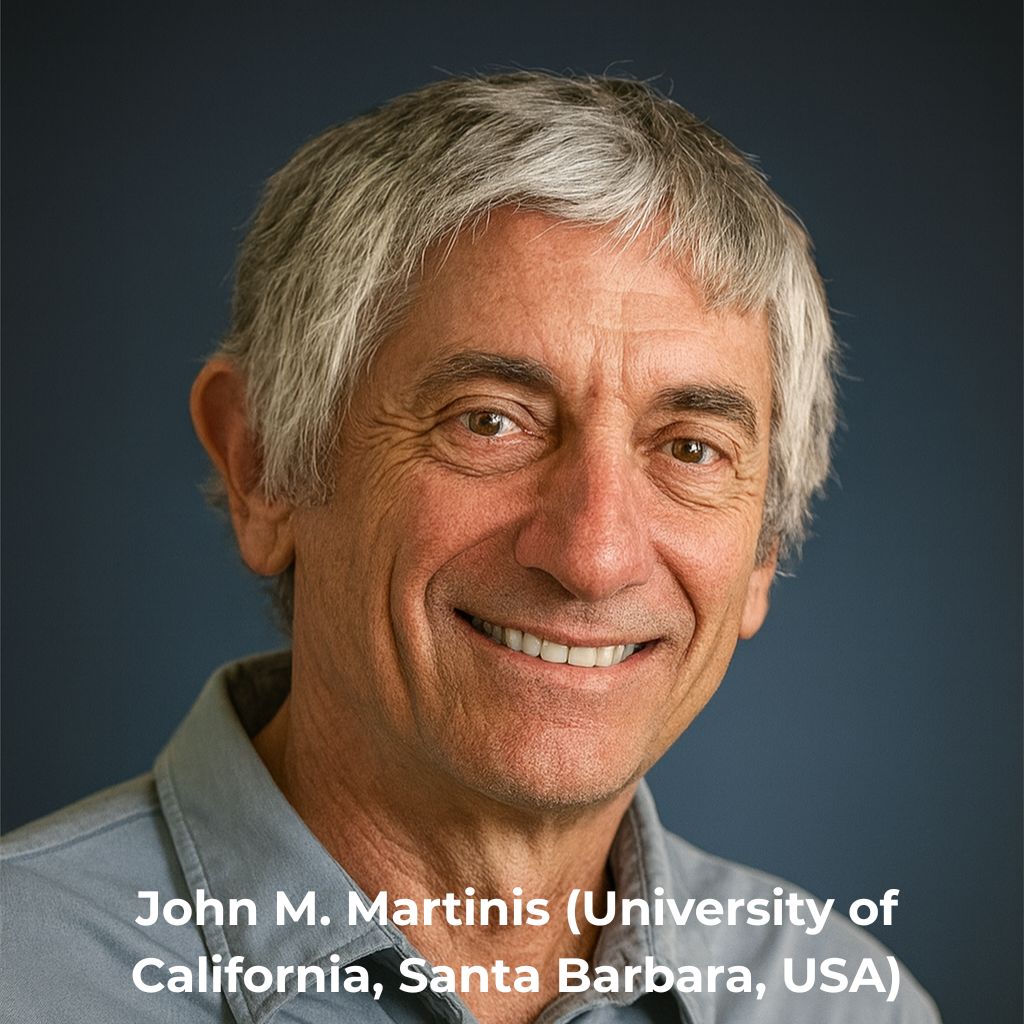
John M. Martinis (University of California, Santa Barbara, USA)
Worked together with Clarke and Devoret, contributing to the design and experiments showing quantisation and tunneling in circuits.
Prize Motivation (Citation)
They won “for the discovery of macroscopic quantum mechanical tunnelling and energy quantisation in an electric circuit.”
Why It Matters
-
It answers a major question: How big can a system be while still showing quantum behavior?
-
Their experiments used superconducting circuits to demonstrate quantised energy levels, bridging quantum physics to more practical systems.
-
The work is foundational for quantum computing, quantum sensors, and quantum technologies.
8 October 2025 — Nobel Prize 2025 in Chemistry
Laureates & Their Achievement
-
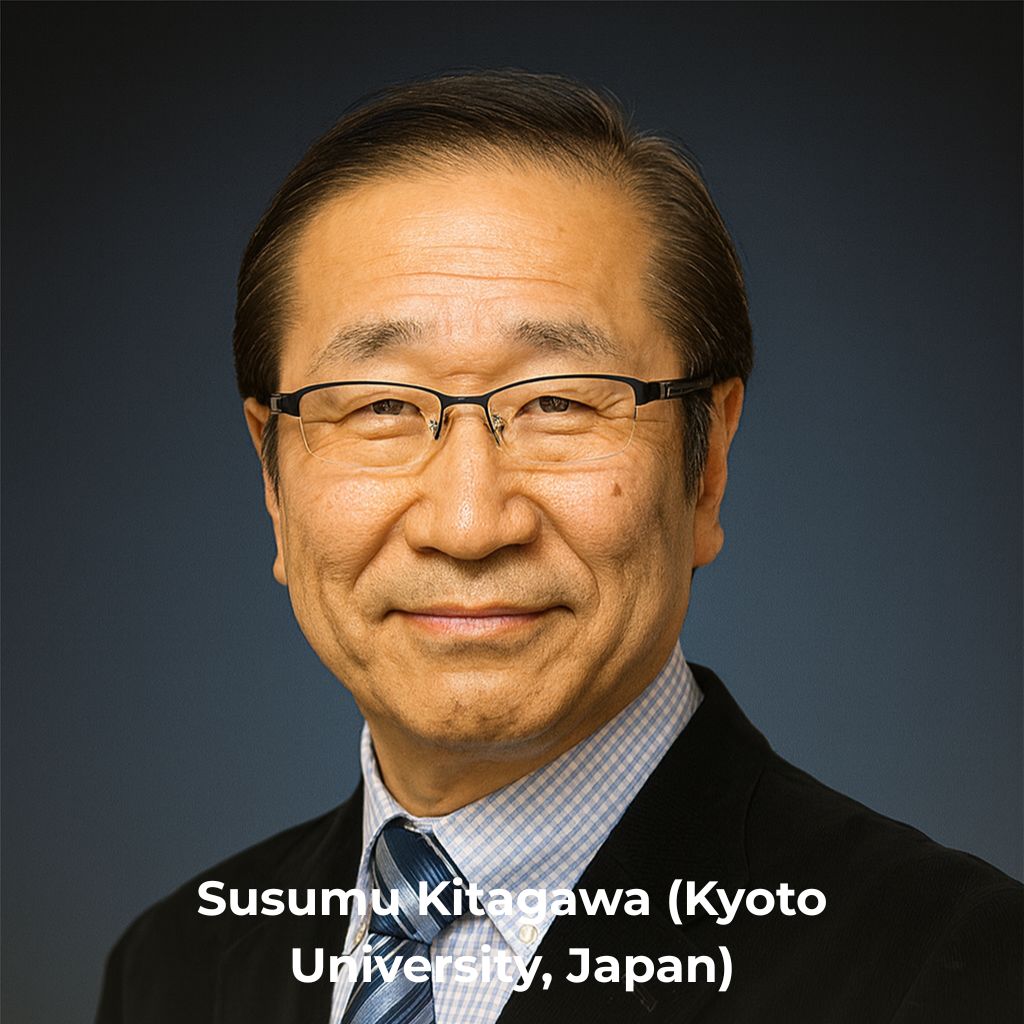
Susumu Kitagawa (Kyoto University, Japan)
He demonstrated how metal–organic frameworks (MOFs) can be stable and allow gases to flow in and out, and how these materials could be flexible and tailored for various tasks.
Born: 4 July 1951
-
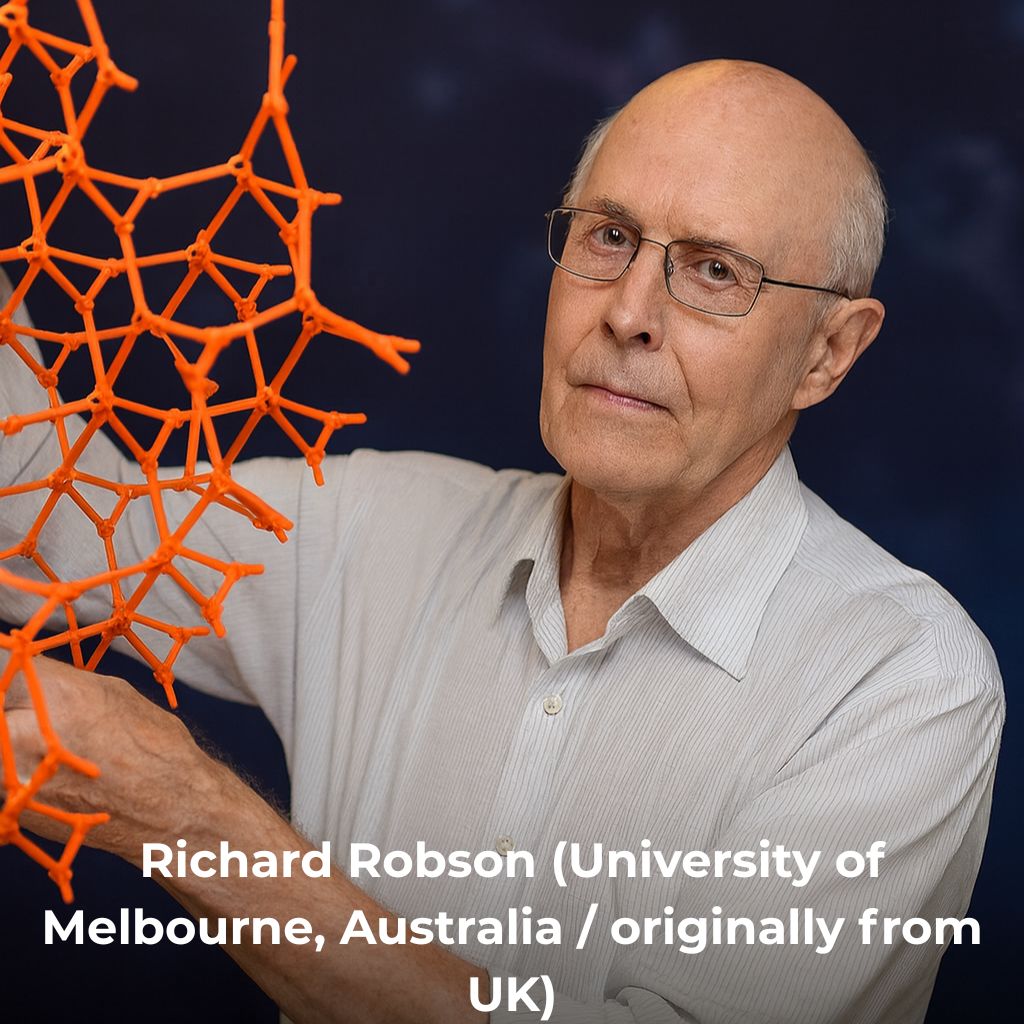
Richard Robson (University of Melbourne, Australia / originally from UK)
He initiated early designs combining metal ions with organic linkers — the pioneering concept of frameworks with internal porosity — though early versions were unstable.
Born: 4 June 1937
-
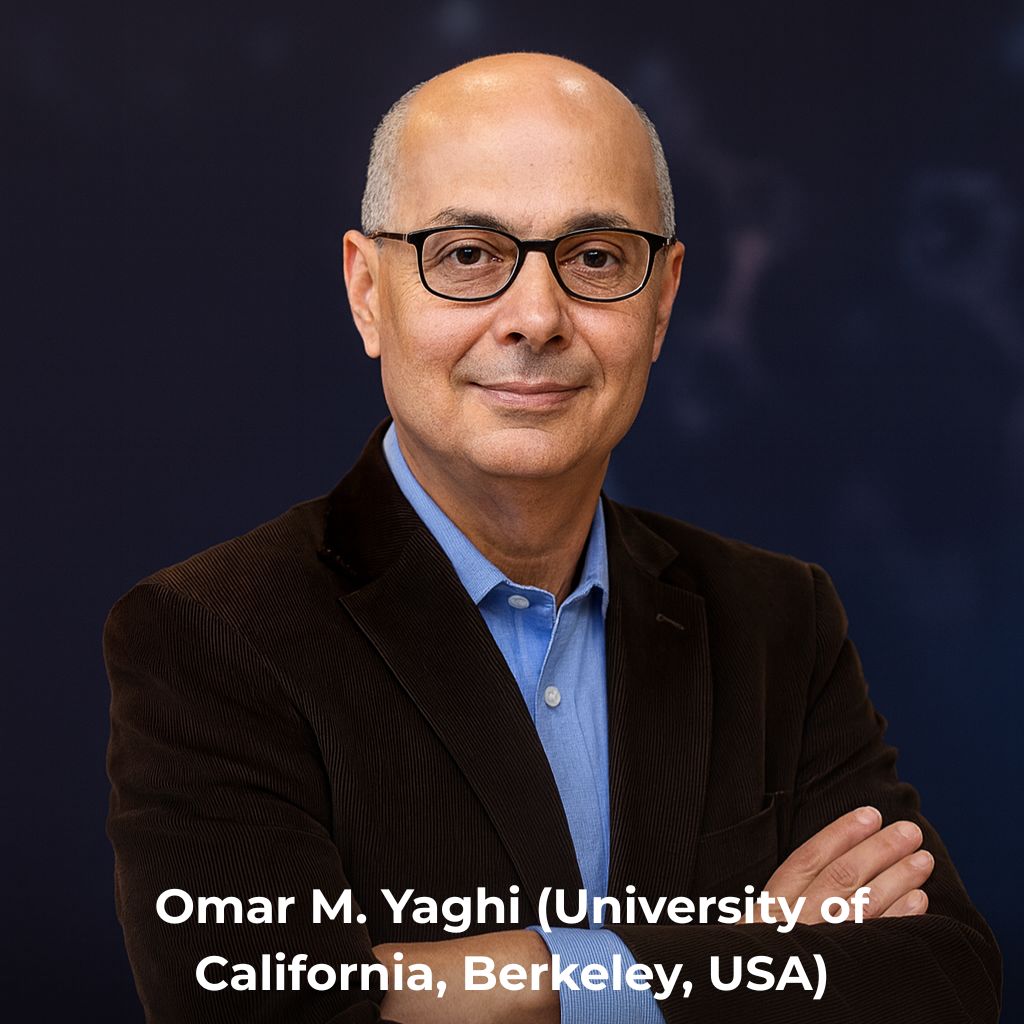
Omar M. Yaghi (University of California, Berkeley, USA)
He refined and scaled up MOF design, treating the process like constructing with modular building blocks (reticular chemistry). His work made MOFs practical and robust.
Born: 9 February 1965
Prize Motivation (Citation)
They won the Nobel Prize 2025 in Chemistry “for the development of metal–organic frameworks”.
From the official press release:
“They have created molecular constructions with large spaces through which gases and other chemicals can flow. These constructions, metal–organic frameworks, can be used to harvest water from desert air, capture carbon dioxide, store toxic gases or catalyse chemical reactions.”
The prizes are shared equally: each gets one-third of the award.
Why This Work Matters
-
Porous Materials with Custom Use: By combining metal ions (as nodes) and organic molecules (as linkers), they built crystalline materials with internal voids or “rooms” where molecules can go in and out.
-
Applications for Global Challenges:
-
Harvesting Water from Air (even in dry climates)
-
Capturing & Storing CO₂ (to tackle climate change)
-
Storing Gases or Toxic Chemicals safely
-
Catalyzing Reactions / Conductivity in advanced materials
-
9 October 2025 — Nobel Prize in Literature
Laureate & What He Was Awarded
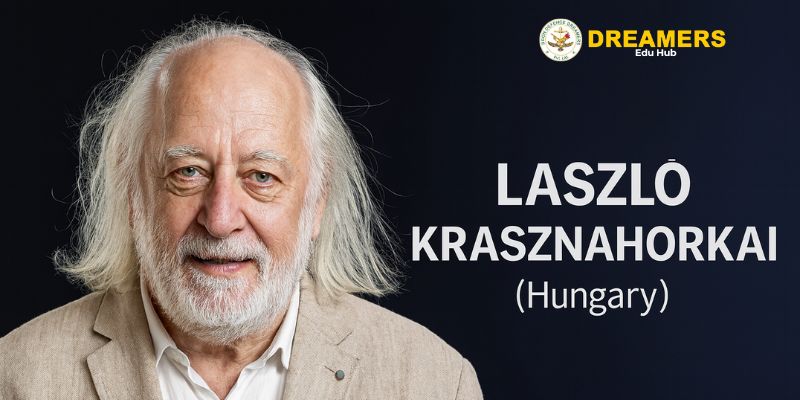
László Krasznahorkai (Hungary)
He won “for his compelling and visionary oeuvre that, in the midst of apocalyptic terror, reaffirms the power of art.”
- Literary style: Krasznahorkai is known for his philosophical novels, which often feature long, complex sentences and explore bleak, thought-provoking themes.
- Notable works: His books include the acclaimed novels Sátántangó (1985), The Melancholy of Resistance (1989), and War and War (1999). Several of his works have been adapted into films by Hungarian filmmaker Béla Tarr.
- Additional recognition: In 2015, Krasznahorkai won the Man Booker International Prize for his body of work.
Krasznahorkai is known for dense, philosophical prose, often exploring themes of despair, existential tension, and human fragility.
Why It Matters
-
His work pushes the boundaries of form and voice, blending the surreal with deep emotional resonance.
-
The award highlights how literature can give voice to crisis, chaos, and hope simultaneously.
-
It underscores that art can confront darkness while illuminating the human condition.
10 October 2025 — Nobel Peace Prize
Laureate & What He Was Awarded
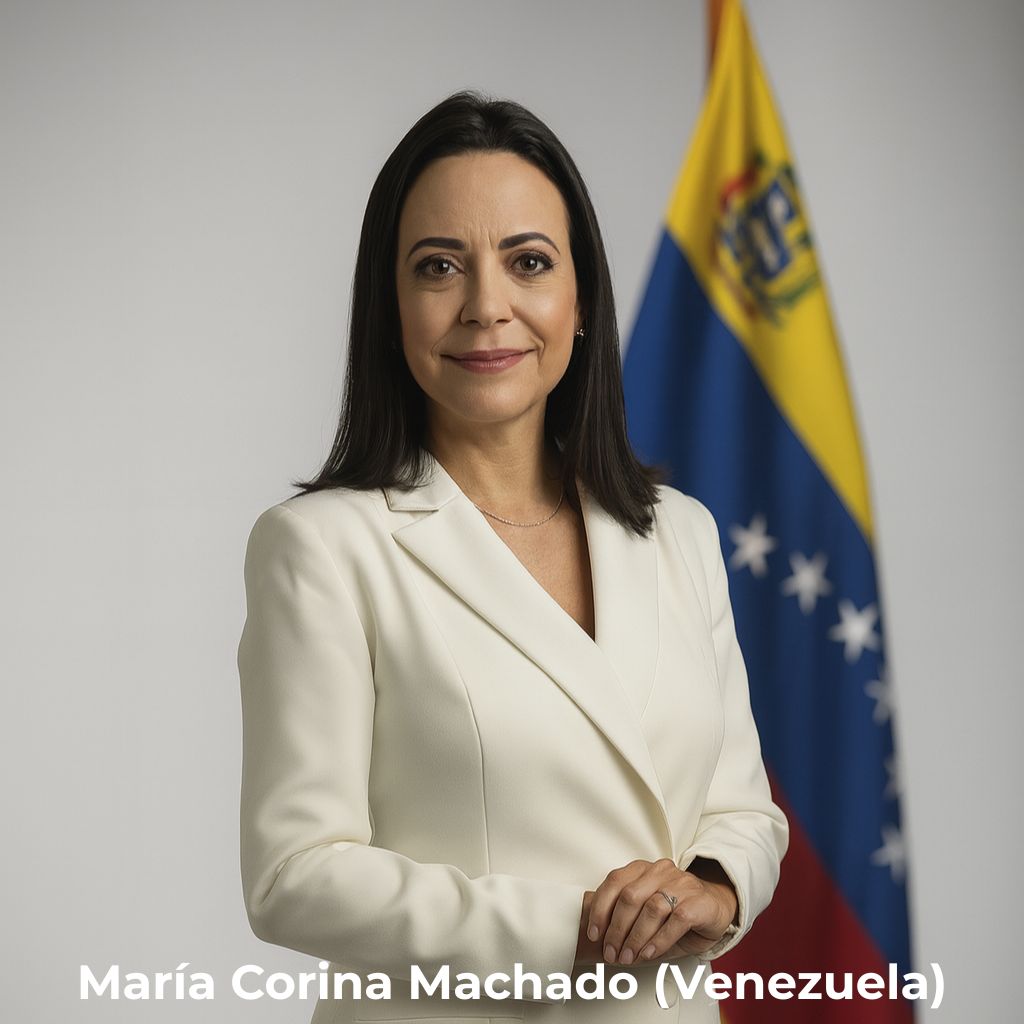
María Corina Machado (Venezuela)
She was awarded the prize for her tireless advocacy for democratic rights, free elections, and peaceful transition from authoritarian rule.
Why It Matters
-
Her activism underscores the vital role of political leadership in fragile democracies.
-
The award sends a strong message about global attention to human rights, civic freedoms, and peaceful dissent.
-
Recognizing leadership under pressure, this prize celebrates resilience and moral courage.
13 October 2025 — Nobel Prize in Economic Sciences
Laureates & What They Were Awarded
-
Joel Mokyr — awarded “for having identified the prerequisites for sustained growth through technological progress.”
-
Philippe Aghion & Peter Howitt — awarded “for the theory of sustained growth through creative destruction.”
Prize split: SEK 11 million — half to Mokyr; half jointly to Aghion & Howitt.
Why It Matters
-
Shows how innovation and competition drive long-run growth and rising living standards, offering a framework for tech- and science-led prosperity.
-
Provides policy guidance: support R&D, openness and competition to keep “creative destruction” healthy and avoid stagnation—highly relevant amid today’s AI shifts.
-
Confirms (with rigorous models and history) that growth isn’t automatic; institutions and incentives determine whether new ideas diffuse economy-wide.
All Nobel Prize Winners from India (1913–2024)
| Year | Name | Category | Contribution / Reason for Award |
|---|---|---|---|
| 1913 | Rabindranath Tagore | Literature | For his profoundly sensitive, fresh, and beautiful poetry in Gitanjali (Song Offerings), making him the first Asian Nobel Laureate. |
| 1930 | C. V. Raman | Physics | For the discovery of the Raman Effect — scattering of light leading to a change in wavelength. |
| 1968 | Har Gobind Khorana | Physiology or Medicine | For interpretation of the genetic code and its function in protein synthesis. |
| 1979 | Mother Teresa | Peace | For her humanitarian work in aiding suffering humanity through the Missionaries of Charity. |
| 1983 | Subrahmanyan Chandrasekhar | Physics | For theoretical studies on the physical processes important in the structure and evolution of stars. |
| 1998 | Amartya Sen | Economic Sciences | For his contributions to welfare economics and studies on poverty and famine. |
| 2009 | Venkatraman Ramakrishnan | Chemistry | For studies on the structure and function of the ribosome. |
| 2014 | Kailash Satyarthi | Peace | For his struggle against child labour and advocacy for children’s rights to education and freedom. |
| 2019 | Abhijit Banerjee | Economic Sciences | For experimental approach to alleviating global poverty through development economics. |
Prize and Ceremony
Each Nobel Laureate receives:
-
11 million Swedish kronor (~USD 1.2 million)
-
A 24-karat gold medal
-
An elegantly hand-painted Nobel diploma
The award ceremony will be held on December 10, 2025, in Stockholm and Oslo — marking the anniversary of Alfred Nobel’s passing.
Recent Blogs
- NDA 2 2025 Complete SSB Interview Guide – Check it out
- NDA 2 2025 Answer Key (All Sets A/B/C/D) Maths – Check it out
- NDA 2 2025 Answer Key (All Sets A/B/C/D) GAT – Check it out
Key Takeaways
The Nobel Prize 2025 announcements showcase groundbreaking discoveries that could transform medicine, technology, and environmental solutions across multiple fields.
• Medical breakthrough: Three scientists won for discovering peripheral immune tolerance, potentially revolutionizing treatments for autoimmune diseases and cancer therapies.
• Quantum computing foundation: Physics laureates demonstrated quantum tunneling in macroscopic circuits, laying crucial groundwork for next-generation quantum computers.
• Environmental solutions: Chemistry winners created metal-organic frameworks that can capture CO2, harvest water from desert air, and filter pollutants.
• Global impact potential: These discoveries address humanity’s biggest challenges—from autoimmune diseases affecting millions to climate change and water scarcity.
• Research acceleration: Nobel recognition typically doubles laureates’ research output and attracts significant funding to their fields of study.
The remaining announcements for Literature, Peace, and Economic Sciences will complete this year’s celebration of human achievement, with each prize carrying the potential to reshape public discourse and research priorities worldwide.
FAQs
Q1. Who are the winners of the Nobel Prize 2025 in Chemistry?
The Nobel Prize 2025 in Chemistry was jointly awarded to Susumu Kitagawa, Richard Robson, and Omar Yaghi for their groundbreaking work on metal-organic frameworks (MOFs), a new form of molecular architecture with applications in carbon capture, water harvesting, and pollutant filtering.
Q2. When will the 2025 Nobel Peace Prize be announced?
The 2025 Nobel Peace Prize winner will be announced on Friday, October 10 at 11:00 CEST (5:00 am ET) by the Norwegian Nobel Committee in Oslo. The formal award ceremony will take place on December 10 in Oslo, Norway.
Q3.How are Nobel Prize 2025 winners notified of their award?
Nobel Prize laureates typically receive a phone call just minutes before the public announcement, informing them that they have been awarded the prize. These calls can come at unexpected times and reach the winners in various locations.
Q4. What impact does winning a Nobel Prize have on a scientist’s career?
Winning a Nobel Prize significantly transforms a scientist’s career. Research shows that laureates typically produce twice as many early papers as their peers and have over six times more “hit papers” in their careers. However, they may experience a temporary productivity decline immediately after receiving the award.
Q5. How many candidates were nominated for the 2025 Nobel Peace Prize?
The 2025 Nobel Peace Prize attracted 338 candidates, including 244 individuals and 94 organizations. This represents a significant increase from the previous year’s 286 nominees, reflecting growing global attention to peace initiatives worldwide.